Source Steel IBC Drum Tank for Chemical, Medical, and Food Uses
Explore 30 verified listings for the Steel IBC Drum Tank designed for liquid and solid storage. Buyers can compare specifications, certifications, and prices from manufacturers in China to find the right solution for industrial applications.
Key considerations
Products List




Comprehensive Sourcing Guide
Strategic Sourcing Guide for Steel IBC Drum Tanks
Understanding the Steel IBC Drum Tank Market Landscape
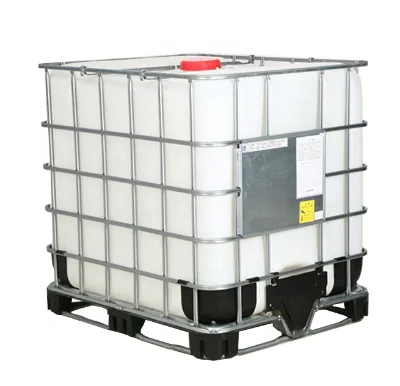
The global demand for intermediate bulk containers (IBCs) has driven a significant evolution in material science and manufacturing standards, particularly regarding steel-based solutions. While high-density polyethylene (HDPE) and stainless steel variants dominate specific sectors, the "Steel IBC Drum Tank" keyword often encompasses a broader spectrum of industrial storage solutions. Buyers must first distinguish between fully metallic containers and composite structures where steel serves as a critical structural or protective element. In the current market, observed product attributes indicate that many steel-reinforced IBCs utilize a galvanized steel outer cage to protect a plastic inner tank, a design choice that balances chemical resistance with structural rigidity.
The observed product data reveals a diverse range of applications, including chemical, medical, food, and industrial sectors. This versatility suggests that the Steel IBC Drum Tank is not a monolithic product but a category defined by specific performance requirements. For instance, while some listings highlight a "Non-Metal Tank" with a galvanized steel outer packaging, others point to fully stainless steel constructions designed for high-purity environments. The distinction is critical because the material composition directly influences the permissible storage objects, ranging from liquids to solids, and dictates the necessary cleaning methods, such as Cleaning in Place (CIP) systems. Buyers entering this market must recognize that the term "steel" in a product title may refer to the cage, the pallet base, or the entire vessel, necessitating a granular review of the material specifications before procurement.
Technical Specifications and Structural Integrity
When evaluating the technical specifications of a Steel IBC Drum Tank, the interplay between the inner vessel and the outer framework is paramount. The data indicates that the standard dimensions for many of these units are approximately 1200mm in length, 1000mm in width, and 1150mm in height. These dimensions are consistent with the standard pallet footprint required for efficient logistics and stacking in global supply chains. The capacity of these units varies significantly, with observed ranges extending from 500 liters to 5000 liters, and in some heavy-duty configurations, up to 30,000 liters.
The structural integrity of the steel component is often defined by the material grade of the outer cage and pallet. Specific observations note the use of Galvanized Steel DC51D for the outer packaging and Galvanized Steel DC53D for the pallet base. These designations refer to specific cold-rolled steel grades, where the galvanization process provides essential corrosion resistance. The maximum permitted stacking load for these units can reach up to 2253 kilograms, a figure that must be strictly adhered to during warehousing to prevent structural failure. Furthermore, the maximum permitted gross weight is observed at 2011 kilograms, which includes the weight of the container itself and its contents.
The inner tank material also varies based on the application. While some units feature an HDPE inner tank, others utilize stainless steel for the entire structure. The valve systems are equally critical, with observations noting the use of DN50 butterfly valves made from HDPE or stainless steel, depending on the chemical compatibility required. The top cover may be a blank cover or a vent cover, with materials ranging from TPE to other polymers, ensuring that the seal remains intact under varying pressure conditions.
Compliance, Certification, and Safety Standards
Navigating the compliance landscape for steel IBC drum tanks requires a rigorous verification of certifications and adherence to international standards. The market data presents a mix of certification statuses, with some products holding TUV and ISO certifications, while others list CE or ISO9001 compliance. It is essential for buyers to verify that the specific supplier can provide valid, current documentation for these certifications, as the presence of a certificate on a product listing does not guarantee its validity for the specific batch being purchased.
For international shipping and storage of hazardous materials, the IMDG (International Maritime Dangerous Goods) code is a critical standard. Observed data confirms that certain steel IBCs are designed to meet IMDG standards, which is a prerequisite for transporting chemicals and industrial liquids across borders. Additionally, the temperature resistance of these units is a key safety parameter, with observed ranges spanning from -20°C to 110°C. This range determines the suitability of the tank for various climates and processing conditions.
Safety testing is another vital component of compliance. The data highlights specific test results, such as a dropping test height of 1.9 meters, which simulates accidental drops during handling. Hydraulic test pressures are observed at 100 kPa, and leakproofness tests are conducted at 20 kPa. These numerical values serve as benchmarks for quality assurance. Buyers must ensure that the supplier performs these tests on every batch or maintains a robust quality management system that guarantees these performance metrics. The absence of a certificate, as noted in some listings, should be treated as a red flag, prompting a request for third-party inspection reports before any order is placed.
Cost Drivers and Procurement Economics
The cost of a Steel IBC Drum Tank is influenced by a complex array of factors, including material costs, manufacturing complexity, and logistics. The primary cost driver is the type and quantity of steel used. Units with a fully stainless steel construction will inherently cost more than those with a galvanized steel cage and a plastic inner tank. The grade of the steel, such as DC51D versus DC53D, also impacts the final price due to differences in tensile strength and corrosion resistance.
Packaging requirements significantly affect the total landed cost. The data shows variations in packaging, ranging from wooden trays to standard export packing, and even wooden cases with steel frames. For heavy or high-value units, the use of a wooden case with a steel frame adds to the material and labor costs but provides superior protection during transit. The life span of the product, observed to be greater than 25 years for certain high-quality units, is a crucial economic factor. A longer service life reduces the total cost of ownership, even if the initial purchase price is higher.
Minimum Order Quantities (MOQ) and customization options also play a role in pricing. The observed MOQ range is between 1 and 42 units, offering flexibility for both small-scale buyers and large industrial procurement teams. Customization, including color, size, and specific valve configurations, is available but typically incurs additional costs. Buyers should be aware that while the base price range in the market is observed between 50 and 350,000 USD, this wide variance reflects the difference between small, single-unit purchases and large-scale industrial contracts. Understanding these cost drivers allows buyers to negotiate more effectively and allocate budgets appropriately.
Typical Applications and Operational Compatibility
The versatility of steel IBC drum tanks makes them suitable for a wide array of applications across multiple industries. The observed applications include chemical processing, medical manufacturing, food production, and general industrial storage. The specific choice of material and design depends heavily on the nature of the storage objects. For liquid storage, the tank must possess high leakproofness and hydraulic resistance, as evidenced by the 20 kPa leakproofness test pressure. For solid storage, the structural rigidity provided by the steel cage becomes even more critical to prevent deformation under the weight of the contents.
In the chemical industry, the compatibility of the tank material with the stored substance is non-negotiable. Stainless steel variants are often preferred for aggressive chemicals or high-purity requirements, while galvanized steel cages with HDPE liners are suitable for a broader range of less aggressive substances. The food and medical sectors demand strict adherence to hygiene standards, often requiring Cleaning in Place (CIP) systems and smooth, non-porous surfaces that are easy to sanitize. The square shape of the tanks, as observed in the data, maximizes storage efficiency in warehouses and transport containers, making them ideal for high-density storage environments.
The temperature resistance range of -20°C to 110°C allows these tanks to be used in diverse climatic conditions and processing scenarios. This makes them suitable for storing substances that may require heating or cooling during transport or storage. The ability to stack these units up to 2253 kg ensures that vertical space can be utilized effectively, a critical factor in logistics and warehousing operations where space is at a premium.
Supplier Evaluation and Quality Assurance
Selecting the right supplier for steel IBC drum tanks requires a thorough evaluation of their capabilities, track record, and quality control processes. Buyers should prioritize suppliers who can provide transparent documentation regarding their manufacturing processes, material sourcing, and testing protocols. The presence of certifications like TUV, ISO, and CE is a positive indicator, but buyers must verify the scope and validity of these certificates. A supplier with a history of producing units with a life span of over 25 years demonstrates a commitment to durability and quality.
Quality control should be an integral part of the procurement process. Buyers should request evidence of the specific tests mentioned in the product data, such as the dropping test at 1.9 meters and the hydraulic test at 100 kPa. These tests are not merely marketing claims but essential verification of the tank's ability to withstand real-world handling and pressure conditions. The origin of the product, often listed as China or specific regions like Wenzhou, should be considered in the context of the supplier's export experience and logistics capabilities.
When evaluating suppliers, buyers should also consider the customization options available. The ability to customize the color, size, and valve configuration indicates a flexible manufacturing process capable of meeting specific client needs. However, customization should not come at the expense of structural integrity or compliance. A reputable supplier will balance customization requests with the necessary engineering standards to ensure the final product meets all safety and performance requirements.
Long-Term Procurement and Lifecycle Management
The long-term success of a Steel IBC Drum Tank procurement strategy depends on understanding the lifecycle of the product and the total cost of ownership. With an observed life span of over 25 years, these tanks represent a significant capital investment. Buyers should plan for regular maintenance and inspection schedules to ensure the tanks remain in optimal condition throughout their service life. The galvanized steel cage and the inner tank material both require periodic checks for corrosion, wear, and structural integrity.
Environmental considerations are also becoming increasingly important in procurement. The "Eco-Friendly" feature noted in some product data suggests that manufacturers are adopting sustainable practices, such as using recyclable materials or energy-efficient production methods. Buyers should inquire about the recyclability of the steel components and the inner tank material to align with their corporate sustainability goals.
Furthermore, the availability of spare parts, such as valves and covers, is crucial for long-term maintenance. The use of standard components like DN50 butterfly valves ensures that replacements are readily available. Buyers should establish a relationship with the supplier that includes support for maintenance and repair services. This proactive approach to lifecycle management ensures that the steel IBC drum tanks continue to perform reliably, minimizing downtime and maximizing the return on investment.
Comparison of Key Product Attributes
To facilitate a clearer understanding of the variations in the market, the following table summarizes the key attributes observed in Steel IBC Drum Tank listings. This comparison highlights the diversity in materials, capacities, and certifications available to buyers.
| Attribute | Observation 1 | Observation 2 | Observation 3 |
|---|---|---|---|
| Primary Material | HDPE (Inner) + Galvanized Steel (Outer) | Stainless Steel (Full) | HDPE (Inner) + Galvanized Steel (Outer) |
| Capacity Range | 1000L - 1300L | 500L - 5000L | 500L - 30000L |
| Dimensions | 120010001150mm | 120010001150mm | 120010001150mm |
| Certification | TUV, ISO | CE / ISO9001 | ISO |
| Max Stacking Load | 2253 kgs | 2253 kgs | 2253 kgs |
| Valve Type | DN50 Butterfly Valve (HDPE) | DN50 Butterfly Valve (Stainless) | DN50 Butterfly Valve (HDPE) |
| Temperature Range | -20°C to 110°C | -20°C to 110°C | -20°C to 110°C |
| Application | Chemical, Industrial | Chemical, Medical, Food | Chemical, Industrial |
| Packing | Wooden Tray | Wooden Case with Steel Frame | Foam Bag |
| Origin | China | Wenzhou, China | China |
This table illustrates that while the core dimensions and performance metrics often remain consistent, the material composition and certification levels vary significantly. Buyers must align these attributes with their specific operational needs and regulatory requirements to make an informed procurement decision.
FAQs
What materials are used for steel IBC drum tanks?
These tanks typically use a galvanized steel outer cage with an HDPE inner tank, though fully stainless steel options exist. The steel grades often include DC51D for packaging and DC53D for pallets to ensure corrosion resistance and structural integrity.
Can these tanks be customized for specific needs?
Yes, customization is available for color, size, and valve configurations. Buyers can request specific top covers like blank or vent covers, and the tank dimensions can be adjusted to fit standard pallet footprints of 1200 by 1000 millimeters.
What certifications do steel IBC drum tanks require?
Valid certifications often include TUV, ISO, and CE or ISO9001 compliance. For international shipping of hazardous materials, adherence to IMDG standards is critical, and buyers should verify current documentation for every batch purchased.
How much weight can a Steel IBC Drum Tank hold?
The maximum permitted gross weight is 2011 kilograms, and the stacking load can reach 2253 kilograms. These limits ensure safety during warehousing and transport, preventing structural failure under heavy loads or improper stacking.
What is the temperature resistance range for these tanks?
The tanks generally resist temperatures from -20 degrees Celsius to 110 degrees Celsius. This range allows for storage in diverse climates and supports processes requiring heating or cooling without compromising the integrity of the container.
Which applications are suitable for steel IBC drum tanks?
They are suitable for chemical, medical, food, and industrial sectors. The design supports storage of liquids and solids, with specific cleaning methods like Cleaning in Place available for high-purity requirements in sensitive industries.
How long is the life span of a Steel IBC Drum Tank?
High-quality units have a life span exceeding 25 years. This durability reduces the total cost of ownership, provided the tanks are maintained according to safety standards and used within their specified weight and pressure limits.